If you’re thinking about installing a sauna at home and can’t decide between a dry or wet sauna, here you’ll discover all the key differences. Both options provide relaxation and wellness, but they work differently and the overall experience can vary greatly. In this comparison guide, we explain everything you need to know so you can choose the one that best suits you… and your skin.
What Is a Dry Sauna (Finnish Sauna)?
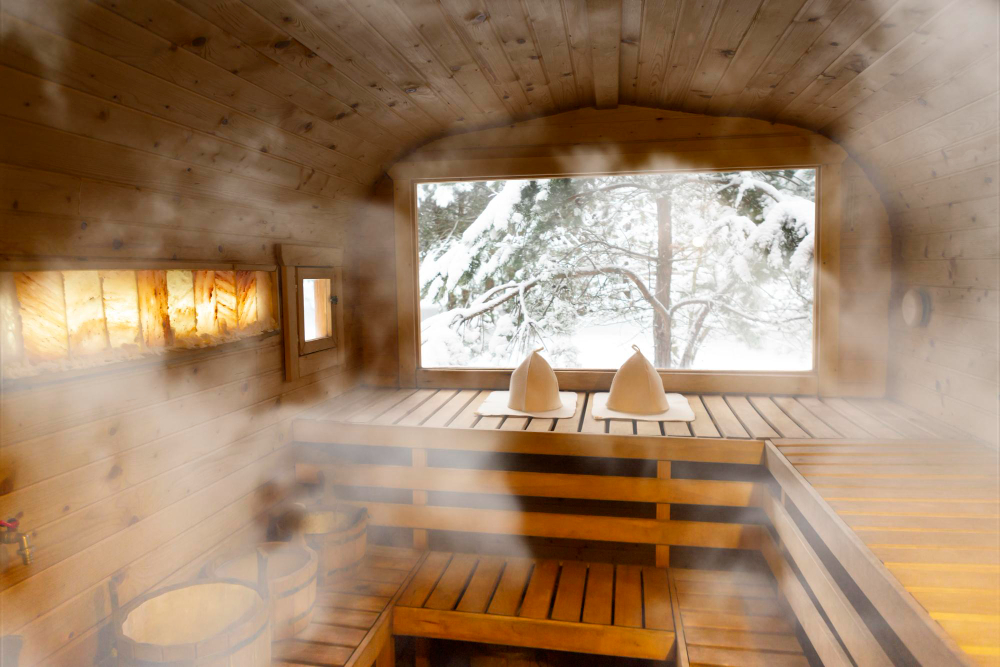
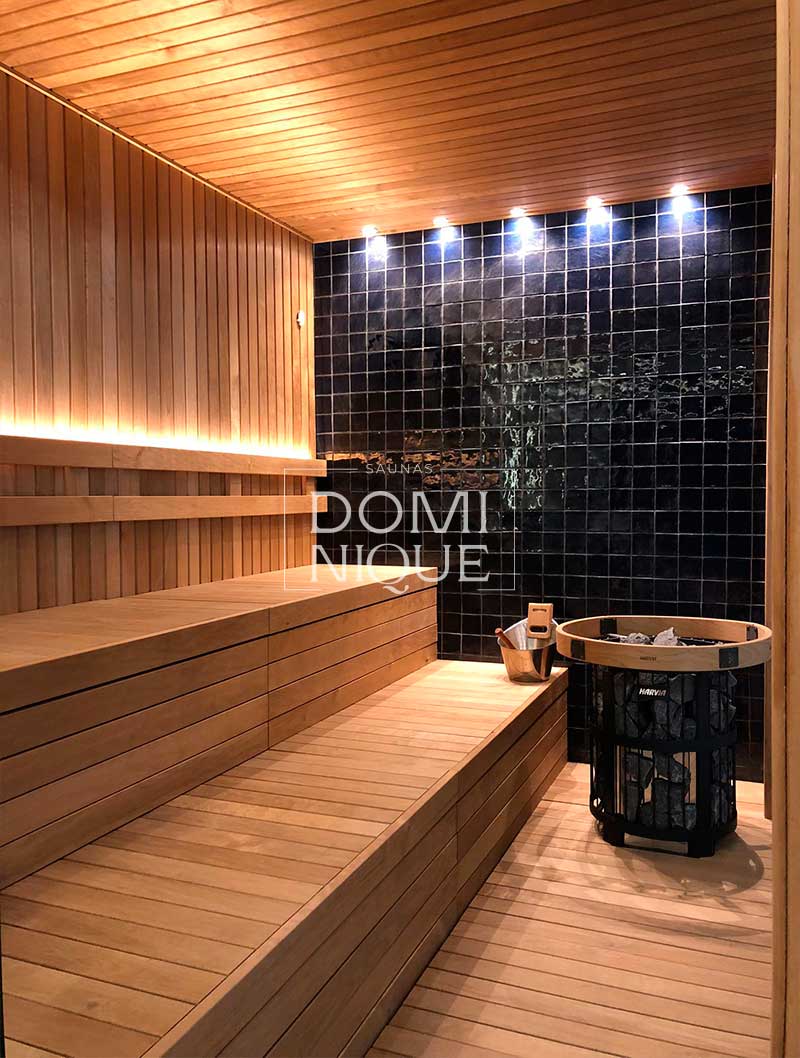
A dry sauna, also known as a Finnish sauna, is a wooden cabin that uses dry heat, generating high temperatures (usually between 80 and 110°C) with very low humidity levels (around 10–20%). The heat is produced by electric heaters or stoves placed over volcanic stones.
It is ideal for people looking for an intense experience, rapid sweating, and deep effects on muscles and joints. There are compact indoor models as well as the increasingly popular outdoor Finnish sauna, perfect for gardens or terraces.
What Is a Wet Sauna (Steam Room / Hammam)?
A wet sauna, also called a steam room or hammam, is an enclosed space where water vapor is the main feature. Temperatures are usually maintained between 45 and 55°C, while humidity reaches 90–100%, creating a soft and enveloping sensation.
The heat feels less aggressive, making it ideal for those who prioritize respiratory comfort, skin hydration, or have sensitive skin. It is especially popular in spas and wellness centers, such as the famous Arabic hammams in Málaga.
Detailed Comparison: Dry Sauna vs Wet Sauna
| Feature | Dry Sauna (Finnish Sauna) | Wet Sauna (Steam Room / Hammam) |
|---|---|---|
| Temperature | 80–110°C (high) | 45–55°C (moderate) |
| Humidity | 10–20% (dry environment) | 90–100% (steam-saturated environment) |
| Type of Heat | Dry heat through convection and radiation | Humid heat through enveloping steam |
| Body Sensation | Intense, dry, rapid sweating | Soft, humid, cloud-like sensation |
| Recommended Session Duration | 10–15 minutes | 15–20 minutes |
| Preheating Time | 30–45 minutes | 20–40 minutes |
| Estimated Energy Consumption | 2–4 kWh per session | 3–6 kWh per session (depending on generator and size) |
| Common Materials | Treated wood (fir, hemlock, cedar) | Tile, stone, PVC, ceramic benches |
| Maintenance | Ventilation, wood cleaning, checking heaters | Mold prevention, disinfection, steam system control |
| Risk of Mold / Condensation | Low | High (requires good ventilation) |
| Cabin Durability | High if properly maintained | Medium-high depending on ventilation and sealing quality |
| Installation Cost | Medium (from compact models) | Higher (requires steam generator and special sealing) |
| Ideal Use | Athletes, home use, compact cabins | Spas, wellness centers, sensitive skin, steam therapy |
| Current Trend | Popular in homes (outdoor Finnish saunas) | Growing in Arabic-style spas and hammams |
Which One Should You Choose?
- If you want intensity, deep muscle relaxation, and easier installation, choose a Finnish sauna.
- If you prefer a softer experience with benefits for skin and breathing, choose a steam room.
Nowadays, there are also hybrid solutions such as custom-built saunas and alternative technologies like infrared saunas, which provide therapeutic effects at lower temperatures and with lower energy consumption.
Benefits of a Dry Sauna
- Muscle and joint relaxation
- Improved circulation
- Elimination of toxins through intense sweating
- Mental wellbeing and better sleep quality
The high temperature of a dry sauna accelerates metabolism and supports post-workout recovery, making it especially beneficial for athletes.
Benefits of a Wet Sauna (Steam Room)
- Skin hydration and cleansing
- Opening of the respiratory airways
- Relief from stress and anxiety
- Ideal for sensitive skin and beginners
The benefits of a steam room are closely linked to the balance between steam and wellness, creating a calming and purifying effect.
Contraindications and Safety
Avoid using a sauna if you have:
- Serious cardiovascular conditions
- Uncontrolled high blood pressure
- Active skin infections
- Pregnancy (unless approved by a doctor)
Sauna use should also be avoided during severe colds or fever. If in doubt, consult a healthcare professional.
Recommendations
- Stay hydrated before and after use
- Do not exceed 15–20 minutes per session
- Cool your body down gradually afterward
Maintenance and Energy Consumption
Dry Sauna
- Clean the wood regularly and avoid abrasive products
- Check heaters and ventilation systems
Wet Sauna
- Disinfect walls and benches after each use
- Inspect the steam generator regularly
- Ensure proper ventilation to prevent mold
Estimated energy consumption ranges between 2–6 kWh per session depending on the sauna type and installed power.
Frequently Asked Questions About Dry and Wet Saunas
How long should each session last?
- Dry sauna: 10–15 minutes
- Wet sauna: 15–20 minutes
Can I alternate between sauna and cold showers?
Yes, it is highly recommended.
Can a wet sauna damage wood?
Yes, if the wood is not properly sealed or ventilated.
Which is better for sensitive skin?
A steam room, thanks to its high humidity.
Final Thoughts
There is no single “best” sauna for everyone. The right choice depends on your goals, physical condition, available space, and personal preferences. Whether it’s a traditional Finnish sauna, a relaxing steam room, or a custom-built sauna, the most important thing is choosing a solution that fits your lifestyle.
At Saunas Dominique, we help you create your own wellness space with custom saunas — from design and manufacturing to installation, maintenance, and technical advice. Discover our models and transform your home or business into a true relaxation retreat.