After a good workout, it’s time to recover and recharge. While rest, hydration and proper nutrition remain essential, one addition to a training routine is attracting increasing interest: a sauna for athletes.
But what benefits can a sauna actually offer? Is a Finnish sauna better than an infrared sauna? And when is the best time to use one?
In this guide, we’ll explain how to include sauna sessions in your fitness routine, explore the different types available and look at why installing a sauna at home or in a private gym can be a worthwhile investment in comfort and wellbeing.
Benefits of a Sauna for Athletes
The benefits of a sauna for athletes go beyond the pleasant feeling of relaxing in the heat. During a session, the body undergoes physiological changes, including a rise in skin temperature, sweating and the widening of blood vessels.
However, it’s important to distinguish feeling better after using a sauna from recovering more quickly at a muscular level. Although some studies have produced promising results, there is still insufficient evidence to say that sauna use speeds up recovery or improves performance across all sports.
Muscle Relaxation After Exercise
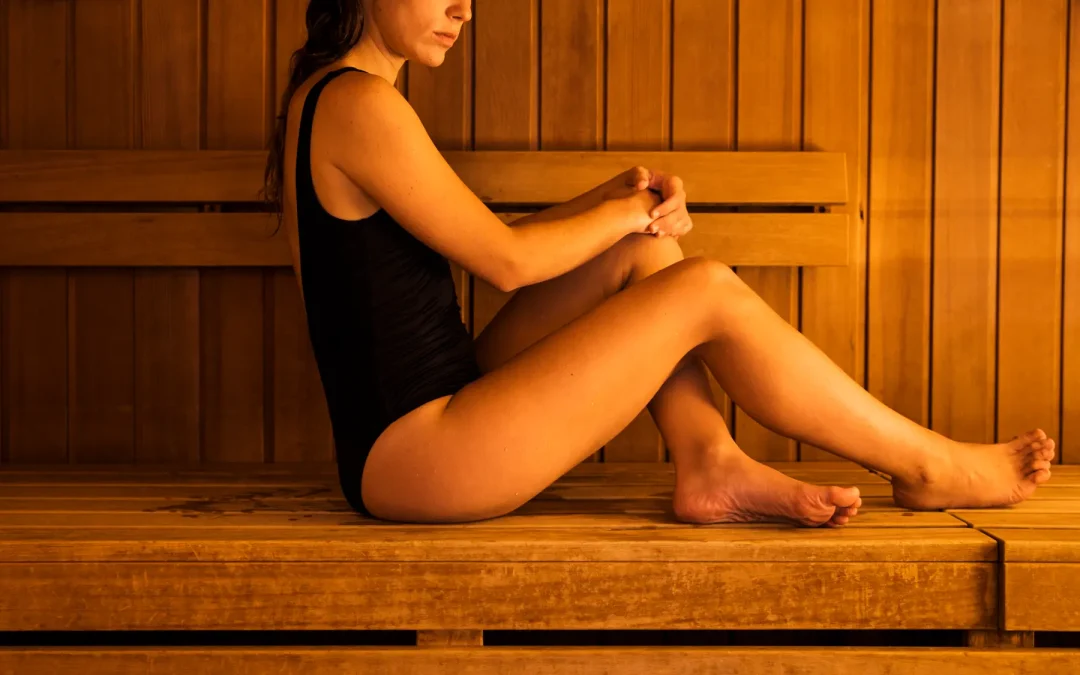
One of the main reasons athletes use a sauna after a workout is the sense of relief that warmth can provide.
Following strength training, cycling, swimming or running, it’s common to experience muscle tension and stiffness. Spending time in a warm environment may help ease that tight feeling and encourage relaxation.
That’s why many people make sauna sessions part of their post-workout routine, particularly after physically demanding training days.
Blood Circulation and Heat Adaptation
When you enter a sauna, your body activates mechanisms to regulate its temperature. Blood vessels near the skin widen, heart rate increases and sweating becomes more pronounced.
This circulatory response is one reason researchers are studying sauna use as a possible complement to endurance training. However, the effects depend on the individual and the training context.
Rest and Mental Wellbeing
Recovery from exercise also has a mental side.
Work, training and everyday responsibilities can all contribute to tension. Spending a few quiet minutes in the sauna provides an opportunity to slow down, switch off and make time for rest.
The relaxing experience may support a sense of wellbeing and help establish a more enjoyable routine after exercise.
After all, making time to rest is also part of a well-planned training schedule.
Which Type of Sauna Is Best for Athletes?
Not all saunas work in the same way. They differ in temperature, humidity, heating method and the overall sensation they provide.
When choosing a sauna for athletes, it’s worth considering personal preferences, available space and how frequently the sauna will be used.
Finnish Sauna: Traditional Dry Heat
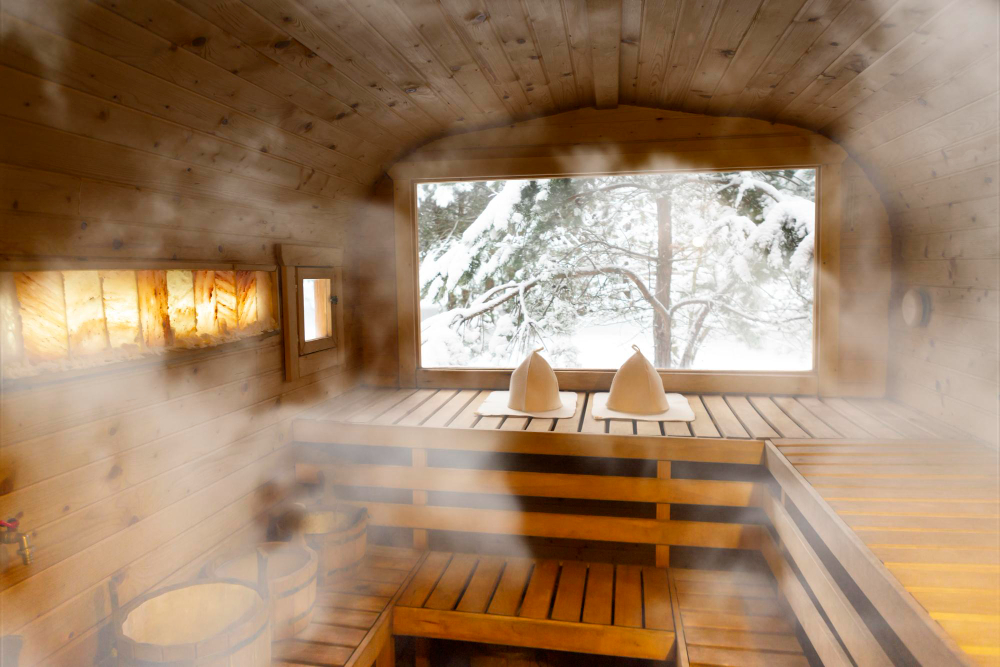
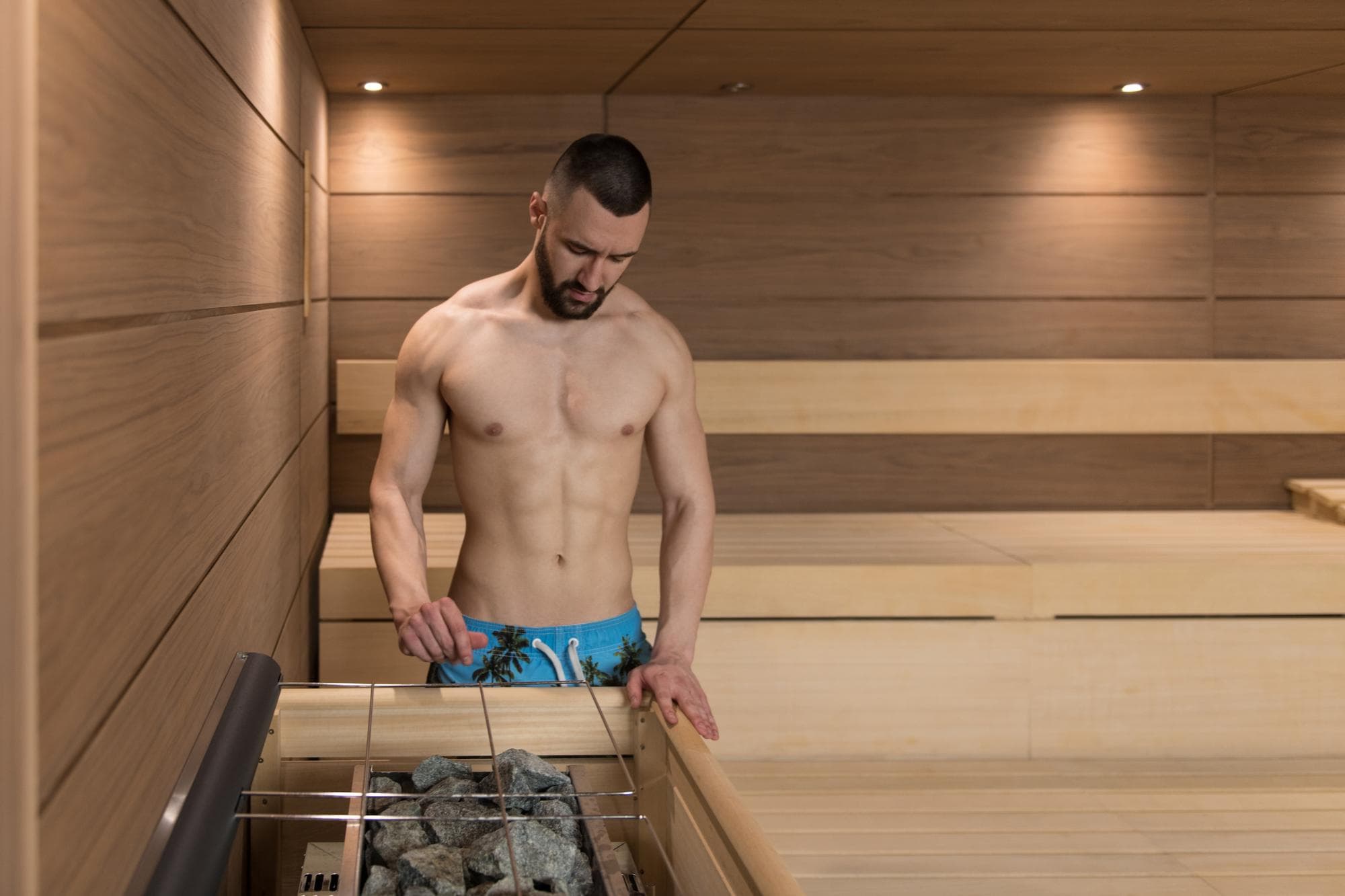
The Finnish sauna is one of the best-known options and is commonly found in gyms and sports facilities.
A heater warms the air and special sauna stones, typically producing temperatures of approximately 70–100°C, with relatively low humidity.
This intense heat encourages significant sweating and creates the distinctive experience associated with a traditional sauna.
A Finnish sauna may be a good choice for athletes who are comfortable with higher temperatures and enjoy the classic sauna ritual.
It can also be incorporated into private homes and professional wellness facilities. At Saunas Dominique, we design custom-made saunas to suit different spaces and practical requirements.
Infrared Sauna: Gentler, Gradual Heat
Infrared saunas work differently. Rather than primarily heating the surrounding air, panels emit thermal energy that heats the body more directly.
They generally operate at lower air temperatures, usually around 40–60°C.
This allows users to enjoy warmth without the high temperatures of a traditional Finnish sauna.
An infrared sauna for athletes may be particularly appealing to people who prefer a gentler, more gradual heat experience or have limited space.
Compact models can also fit into home training areas. Explore our custom-made infrared saunas for homes and wellness spaces.
It’s worth remembering that there is not yet conclusive evidence that infrared saunas are more effective than Finnish saunas for muscle recovery.
Turkish Bath: An Alternative with Humid Heat
A Turkish bath, or steam room, is another option for a sports-focused wellness area.
Unlike a Finnish sauna, it uses water vapour to create very high humidity, with temperatures generally around 40–50°C.
The resulting experience is different: the heat feels humid and enveloping, making it appealing to people who prefer a steam-filled environment.
There is not enough evidence to conclude that steam rooms are more effective than dry saunas for post-exercise recovery.
To explore the differences in more detail, read our guide to wet saunas versus dry saunas.
Is It Better to Use a Sauna Before or After a Workout?
A common question is when to schedule a sauna session around exercise.
In general, using a sauna after a workout is more practical than using it immediately before intense activity, provided you’ve cooled down, rehydrated properly and recovered from the initial exertion.
Before exercising, prolonged heat exposure can increase sweating and fluid loss. This may negatively affect performance, especially if you’re about to undertake a demanding training session.
Benefits of Installing a Sauna at Home or in a Private Gym
Imagine finishing a workout and enjoying a few minutes in the sauna without having to travel to a sports centre.
There are now plenty of ways to incorporate a wellness space into homes, gardens, private gyms and professional facilities.
Installing a sauna at home offers several advantages for people who train regularly.
Convenience is one of the biggest benefits. You can plan sauna sessions around your own schedule, without relying on gym opening hours or availability.
Privacy is another advantage. You decide when to use the sauna, which temperature feels most comfortable and how to arrange the space.
Personalisation also matters. A custom sauna can be designed to make use of a spare room, an awkward corner, a terrace or an area next to a home gym.
In sports facilities, a sauna can provide an additional service for members and add value to changing rooms and relaxation areas.
A commercial gym sauna does, however, require appropriate technical planning, particularly in relation to ventilation, capacity, cleaning, electrical systems and user safety.
If space is limited, discover our custom-made single-person saunas.
Custom-Made Saunas for Athletes by Saunas Dominique
Every athlete has different preferences, and every space comes with its own requirements.
For that reason, there is no single perfect sauna for everyone.
At Saunas Dominique, we specialise in the manufacture, installation, maintenance and technical servicing of saunas and Turkish baths. We develop tailored solutions for private homes, gyms and wellness spaces.
We can help you choose between a traditional Finnish sauna and an infrared sauna, taking into account the dimensions of your space, how you intend to use it, the materials and the technical requirements of the installation.
If you’re still unsure which option would suit you best, take a look at our guide to the different types of sauna.
Thinking about installing a sauna in your home or private gym?
At Saunas Dominique, we can help turn your idea into a custom-made project. From a compact one-person cabin to a larger installation, we’ll work with you to find a solution that suits your needs.
Contact Saunas Dominique to discuss your project and request personalised advice.
Because taking care of yourself and switching off deserves a place in your routine, too.
Frequently Asked Questions About Saunas for Athletes
Which Sauna Is Best for Muscle Recovery?
Both Finnish and infrared saunas can provide a relaxing and enjoyable experience after exercise. A Finnish sauna offers intense dry heat, while an infrared sauna operates at more moderate temperatures. Neither has been conclusively shown to be better than the other at speeding up muscle recovery.
How Long Should You Stay in a Sauna After a Workout?
If you’re new to sauna use, start with 5–10 minutes and gradually increase the duration according to your comfort and tolerance, generally keeping sessions within 15–20 minutes. Before entering, allow yourself to cool down after exercise and make sure you’re properly hydrated.
Does a Sauna Help You Lose Weight or Eliminate Toxins?
Any immediate reduction in weight after a sauna session is mainly due to water lost through sweating, not fat loss. There is also insufficient evidence that sweating in a sauna provides a meaningful detoxification benefit. The liver and kidneys naturally perform the body’s detoxification functions.
Is Sauna Use Suitable for Strength and Endurance Athletes?
A sauna can be used as a wellbeing complement by people who practise both strength and endurance sports. However, its effects on recovery and athletic adaptation depend on various factors and are still being researched. Sauna use requires particular care after intense exercise or training in very hot conditions.